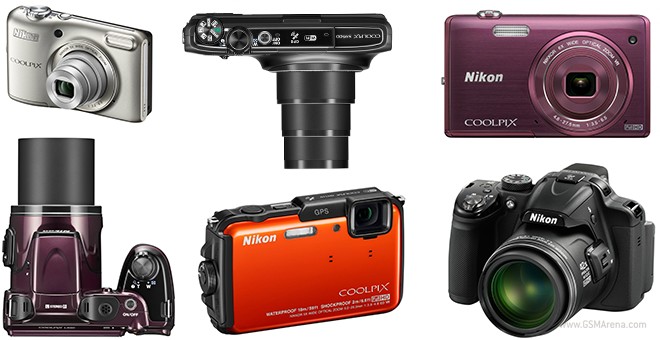
The announcement includes two budget compacts, five mid-range compacts, and three waterproof models. The key word is obviously zoom capabilities and Wi-Fi connectivity.
The highlights include the Coolpix P520 42x superzoom with a GPS receiver, the Coolpix L820 30x budget superzoom, and the S9500 22x compact superzoom with GPS and Wi-Fi connectivity.
The list of the mid-rangers also includes the Coolpix S9400 with 18x zoom and the really compact CoolPix S5200 with Wi-Fi connectivity.
The waterproof models are the rugged Nikon Coolpix AW110/AW110s and the cheaper, but sleek looking S31.
The budget offerings Coolpix L28 and L27 complete the tally. The announcement comes ahead of the start of this year’s CP+ Camera & Photo Imaging Show in Japan. Read more »
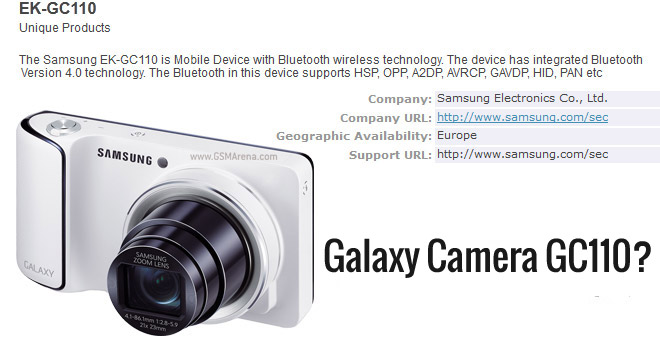
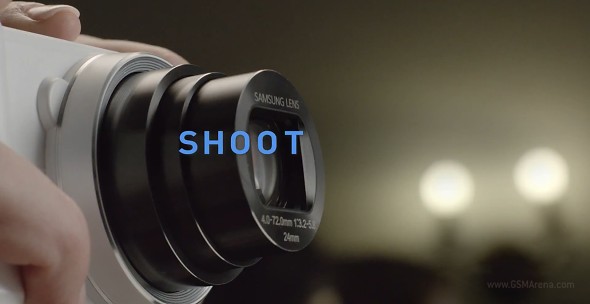
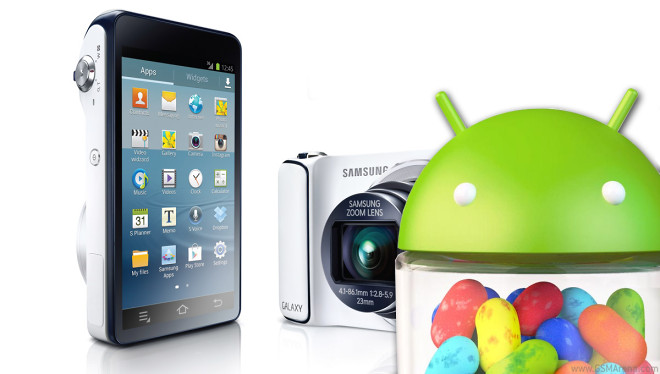
The Samsung Galaxy Camera GC100 managed the impossible – it’s an Android-powered camera that actually went on sale, rather than remain in perpetual “announced” limbo. However, it might have company soon as a filing for Bluetooth certification revealed the GC110 model number.
Unfortunately, info is very scarce – the filing came from Samsung (with Geographic availability listed as “Europe”) and it’s about Bluetooth 4.0 capability (which is what the GC100 has). Read more »
Canon announced three new point-and-shoot cameras for its PowerShot ELPH / Ixus line, which range from a simple shooter to a high-end model with wireless connectivity and accompanying Android/iOS apps. The announcement comes ahead of the start of this year’s CP+ Camera & Photo Imaging Show in Japan.
The Canon PowerShot ELPH 330 HS (Ixus 255 HS in Europe) packs a 12.1MP CMOS sensor and DIGIC5 processor, 10x zoom lens (24mm to 240mm in 35mm equiv.) and built-in Wi-Fi connectivity. Read more »
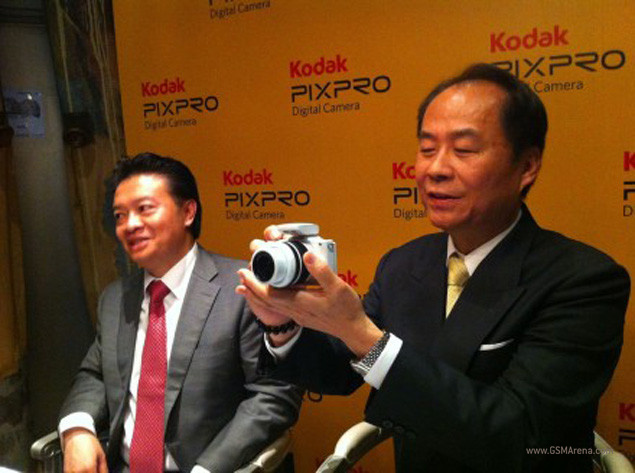
Kodak and JK Imaging recently joined their hands in the CES 2013 and announced a licensing agreement. Surprisingly, the Kodak-JK Imaging joint venture will be ready to launch its first camera in the Q3.
The Kodak S1, a micro four thirds camera will be manufactured by JK Imaging and as the name itself suggests, the camera will be sold under the Kodak brand. Read more »
Samsung announced its new lineup of Smart Cameras 2.0 at CES 2013. Featuring no less than six new models, the new Smart Camera lineup allows users to share their images directly from the camera or to control the camera with their Android smartphone or tablet.
The new camera models include the WB250F/WB200F, the WB800F, WB30F, DV150F and ST150F. The Samsung WB250F and WB200F are identical but the latter uses a CCD sensor instead of a backlit CMOS one and it doesn’t shoot 1080p video unlike its CMOS sibling. Read more »
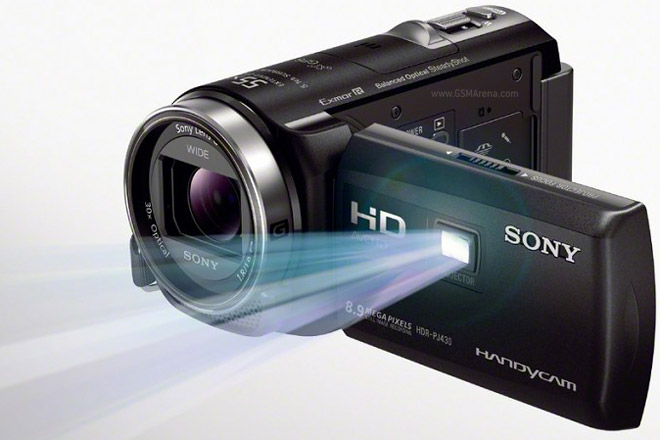
Besides point-and-shoot cameras, Sony also announced a wide range of camcorders last night. The new offerings range from the entry-level $250 camera and move up the range adding features along the way. The cameras have versions with a built-in projector and the higher-end models have manual controls.
There’s a 3D camcorder too, but that comes only in one version. Read more »
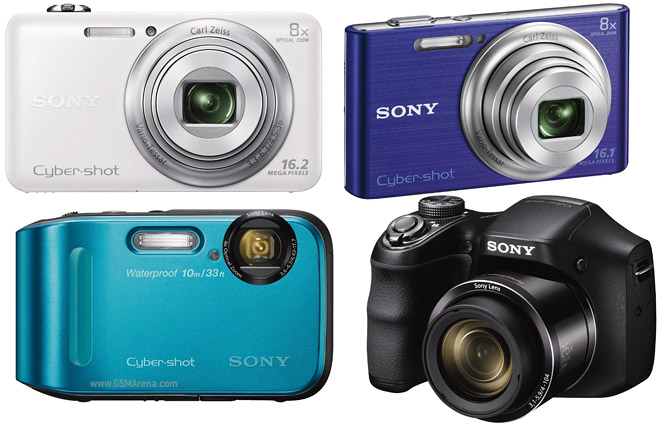
The new Xperia Z and ZL were the stars of the Sony show yesterday, but the Japanese company also unveiled a number of digital cameras. Five new point and shoot cameras debuted and they are all pretty feature-packed.
Potentially the most popular of the new cameras will be the CyberShot WX80 – a $200 camera with a 16.2MP sensor, 8x optical zoom (25-200mm), 1080i60 video capture and built-in Wi-Fi. Read more »
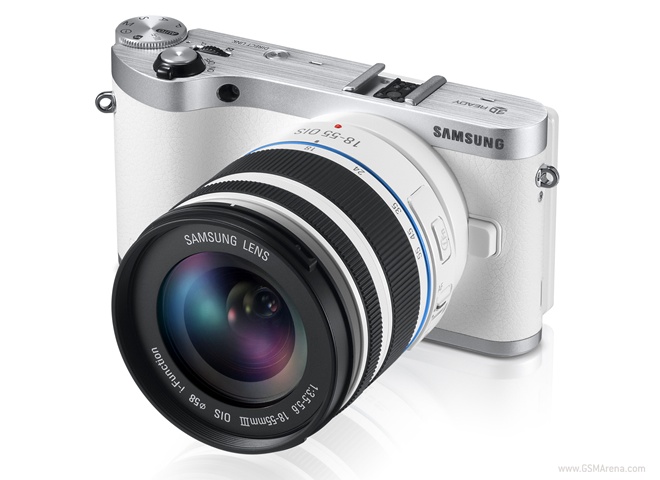
Samsung has announced the NX300, the latest in its range of mirrorless interchangeable lens cameras and successor to the previous NX200.
The NX300 uses a 20.3 megapixel APS-C sensor that can shoot up to ISO 25,600. The NX300 can take up to 8.6fps in burst mode and record videos in 1080p60 resolution. Read more »
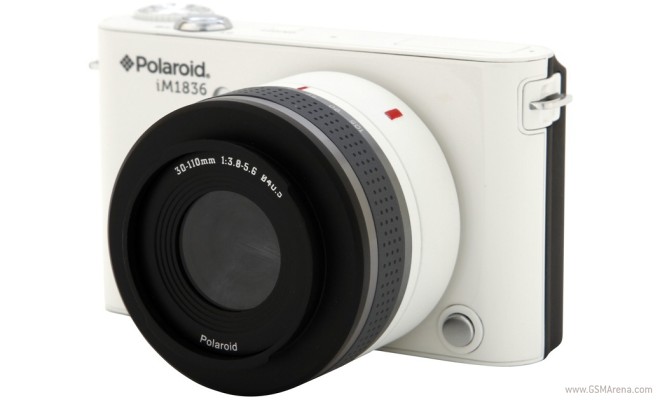
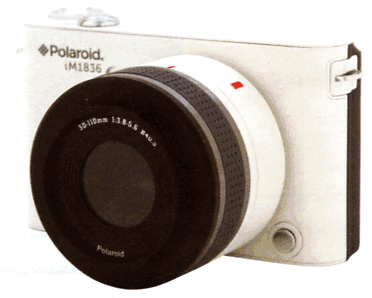
It looks like the Samsung Galaxy Camera and the Nikon Coolpix S800c are about to face some seriously stiff competition in the immediate future. Polaroid is reportedly working on an Android based, mirrorless camera, whose interchangeable lenses are likely to seriously up the image quality bar in the realm of dedicated shooters, booting Google’s OS.
The Polaroid IM1836 is rumored to pack an 18.1 megapixel sensor, 3.5″ touchscreen, and Android 4.0 (or higher) when it gets unveiled. Read more »
Spiceworks is a go-to place for ITs to find information, ideas and problem solutions on the web.
The guys over there decided to put together an infographic about what hot tech toys ITs want to get for Christmas this year, based on the opinions of “over 800 IT pros”. Follow on to see it. Read more »
Sony has released a new ad campaign for its NEX range of cameras that mocks DSLR users. But not just any DSLR users, clueless DSLR users in particular.
The ads basically concentrate on DSLR users who carry a ton of equipment around for their cameras and don’t know the first thing about how to use them. Most of the situations shown in the video are places where a simple point and shoot camera would be more appropriate but the people are seen carrying around complicated DSLR rigs that are more trouble than worth. Read more »
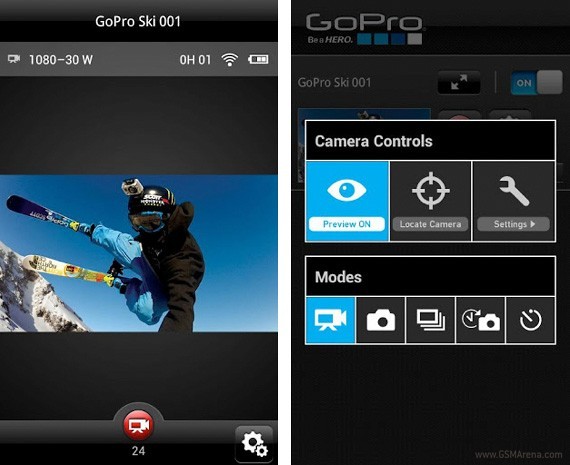
If you own a GoPro camera, then you’re familiar with its abilities to capture all the cool stuff you do on the go, and in full HD to boot.
The folks behind the GoPro HERO series cameras have just released an Android app which lets you control the camera from your Android-powered cell phone. Read more »




 Oppo R7 battery life test
 Benchmarking Asus ZenFone 2 ZE551ML with Intel Atom Z3580 SoC and 4GB of RAM
 Xiaomi Mi 4i battery life test
 Lenovo A7000 Preview
 Your verdict on Android M, iOS 9 and Watch OS 2.0